
Decoding Hidden Histories in Furniture

Step behind the veneer and follow the evidence: we explore interpreting maker’s marks, shipping labels, and workshop stamps in furniture history, turning faint impressions and fragile papers into timelines, places, and people. Expect practical methods, vivid case stories, and ethical guidance you can use immediately, plus invitations to share your own discoveries with a community that loves how small clues unlock sweeping narratives about craft, trade, and ownership.

Where to Look, What to Notice

Begin with unhurried, methodical inspection. Tip pieces gently, support weight safely, and scan undersides, drawer backs, seat rails, and stretcher interiors. Raking light exposes shallow impressions; magnification clarifies ink textures. Notice glue halos, oxidized paper fibers, shadowed nail outlines, and disturbed dust that may map removed labels. Every tiny irregularity can become a decisive waypoint in reconstructing a journey.

Maker’s marks hiding in plain sight

Search carved initials on underside rails, burned brands beneath seats, and impressed ovals near drawer runners. Look for tool chatter around stamps that suggests factory application versus later additions. Compare depth and alignment across multiple parts; consistent strike angles often indicate shop-floor workflow. Photograph from several directions, because shallow dies can transform under angled light into readable signatures.

Shipping labels that traveled the world

Old paper tells a route’s story. Fibers yellow differently along edges exposed to drafts, while adhesive ghosts reveal where a second label once overlapped the first. Printed steamship lines, railways, or customs notations anchor geography and date ranges. Pencil routing codes, chalk tallies, and crayon numbers frequently relate to consignments, revealing how many matching pieces originally accompanied your survivor.

Workshop stamps and assembly numbers

Inside drawer sides and beneath case tops, small numerals or letter combinations often pair components for efficient assembly. These marks rarely face outward, favoring speed rather than display. Cross-check recurring digits to map which parts were made together. When stamps coincide with distinctive dovetail angles or plane tear-out patterns, you gain a fingerprint linking stations within a single workshop’s production rhythm.

Turning Clues into Dates and Names

Transform scattered impressions into grounded attributions through corroboration. Align addresses on labels with city directory entries, track company name changes across advertisements, and note telephone exchange styles that narrow decades. Letterpress versus offset textures refine dating, while ink composition and adhesive chemistry add independent checks. When multiple indicators converge, your timeline sharpens from guesswork into responsible, repeatable reasoning.

Addresses, mergers, and city directories

An address line can be a calendar. City directories capture when firms shifted streets, merged, or added showrooms. Compare the printed address with municipal renumbering dates, especially in fast-growing districts. Cross-reference business names with trademark filings to catch brief intermediate identities. Even abbreviations like Ltd., Inc., or GmbH provide jurisdictional context that aligns with specific legal periods and trade practices.

Printing clues: type, ink, and impression

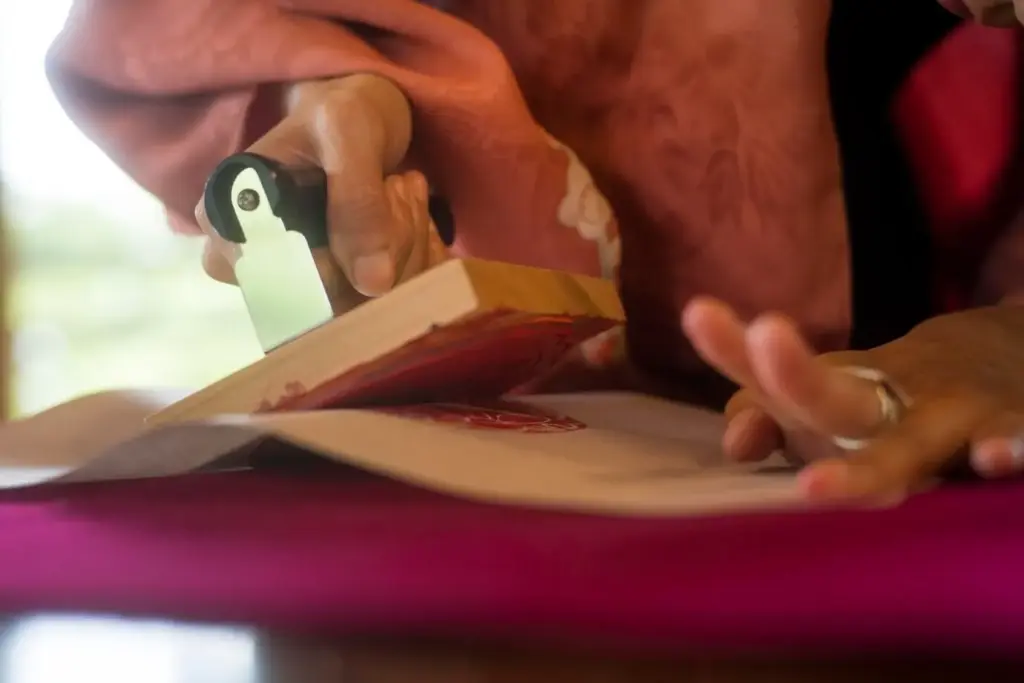
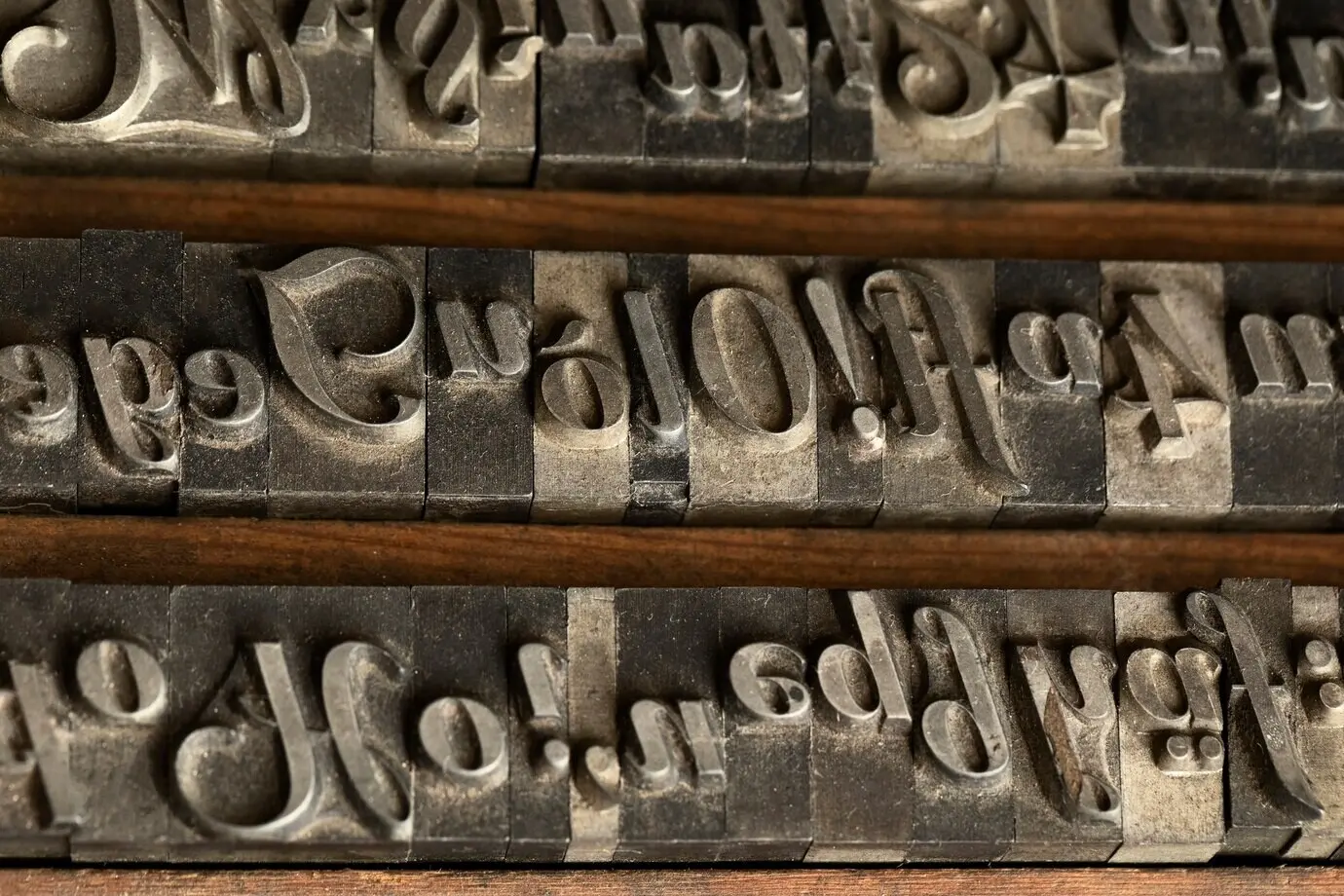
Letterpress leaves a tactile kiss, pushing fibers downward, while offset sits flatter with uniform ink lay. Oil-based inks age differently from aniline dyes, producing halos or crystallization at edges. Misregistration reveals hurried industrial runs, while consistent crispness suggests premium stationery. These micro-features, combined with known printer histories on label margins, can situate a piece within remarkably tight date windows.

Material context that supports attribution

Joinery choices, wood species, and finishing recipes either harmonize with a label’s claim or raise red flags. A supposed 1830s American card table with machine-cut dovetails and synthetic varnish must be questioned. Conversely, hand-scraped secondary woods, rosehead nails, and early hide-glue shimmer reinforce period plausibility. Pair material analysis with mark style, letting independent lines of evidence confirm one another.

Journeys Across Ports, Railheads, and Showrooms

Labels chart migrations from workshops to parlors, via docks, rail platforms, and department store floors. Trade routes shift with tariffs, wars, and fashion cycles, leaving traces in routing codes and retailer stickers. Unpack those fragments to visualize networks of makers, agents, and shippers whose coordinated logistics made familiar silhouettes global. Knowing the path enriches both valuation and storytelling.

A suitcase chair from Wycombe to New York

A beech dining chair carried layered labels: a High Wycombe maker’s brand, a Liverpool forwarder sticker, and an Ellis Island baggage tag fragment reused as padding. Matching the shipping line emblem to a 1907 brochure anchored departure dates. The retailer oval from Fourteenth Street completed the chain, revealing a modest chair’s big voyage and a family’s first apartment above a bakery.
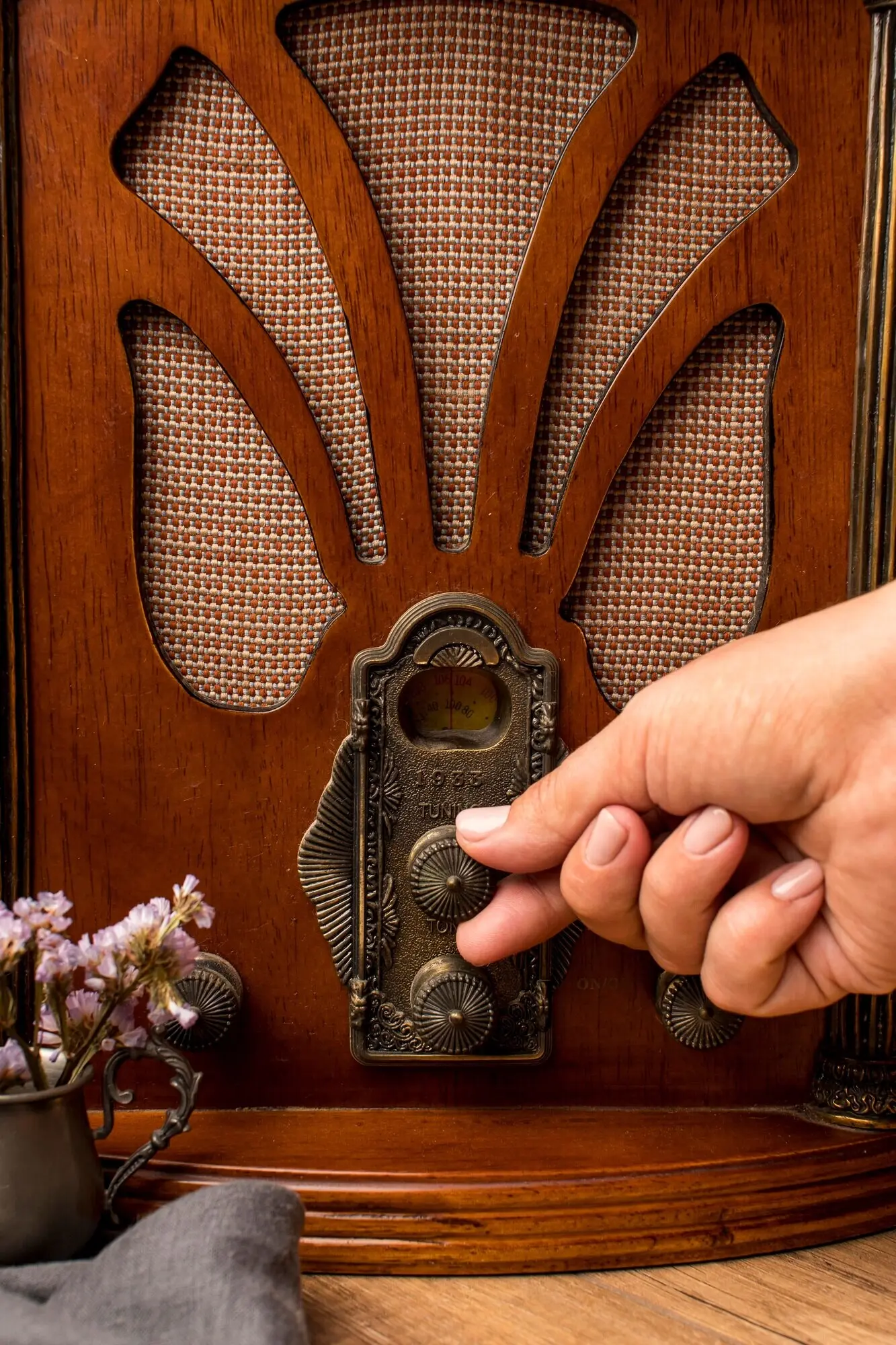
Colonial circuits and postcolonial rebranding

Furniture circulated within empires, then found new identities after independence. Labels that once prioritized imperial capitals later gained local agents’ stickers, masking earlier allegiances. Tax stamps changed color, seals changed language, yet glue stains preserve earlier shapes. Reading through these layers recovers agencies of regional workshops long overshadowed by metropolitan names, restoring credit and nuance to complex economic geographies.
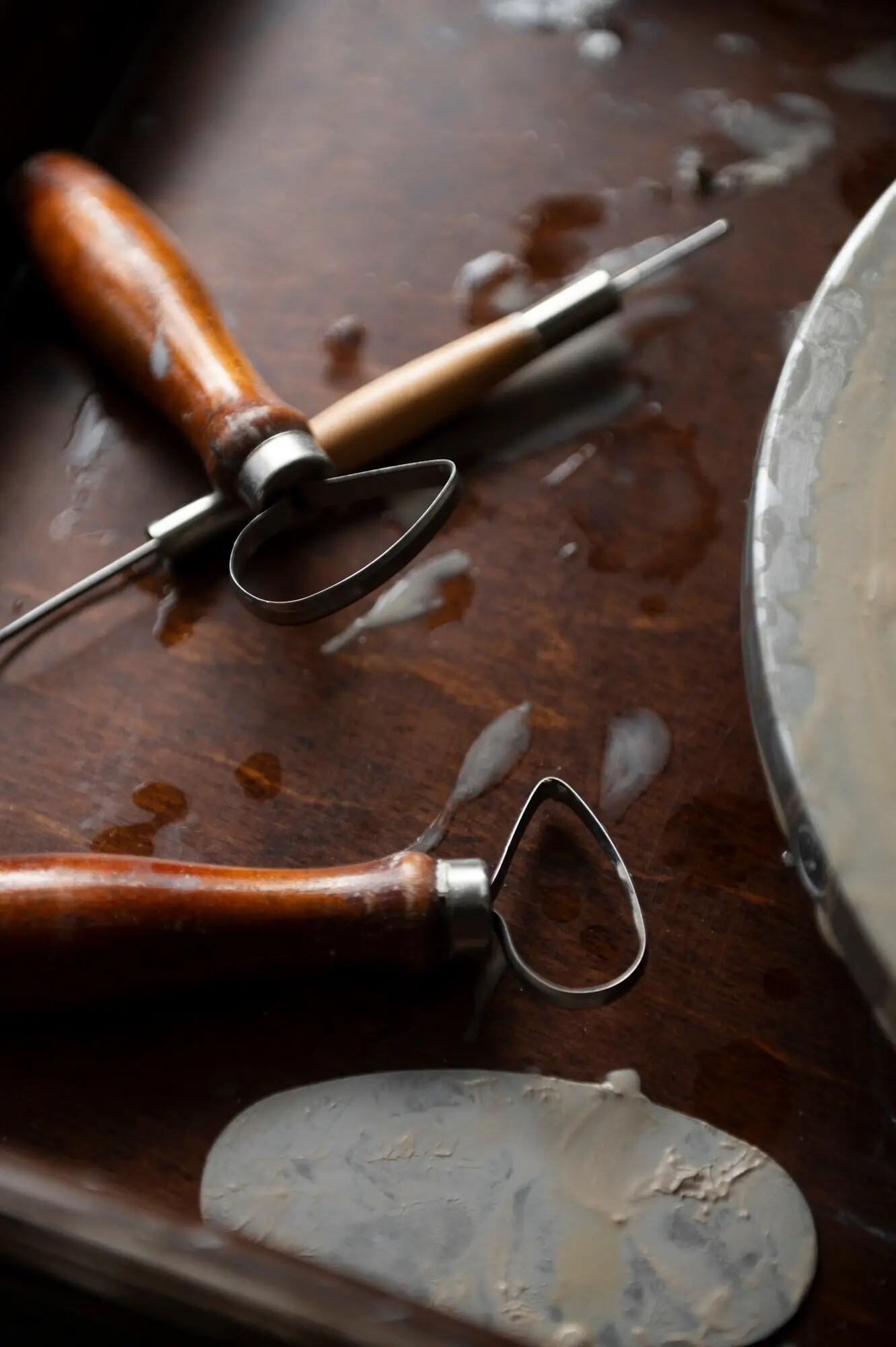
Department stores, dealers, and service tags

Retailer plaques and service tickets often survive on undersides or within drawer bottoms. A guarantee card stapled to cloth webbing can fix a purchase year, while delivery stickers list neighborhoods served. When dealers reupholstered, they sometimes pasted their own branding over prior marks. Peeling back carefully, without tearing fibers, can reveal a stratigraphy of commerce that carries provenance forward.
Spotting Deceptions and Honest Mistakes

Not every mark deserves trust. Some were added by enthusiastic restorers, others by sellers chasing profits, and many by people simply misinformed. Distinguish age-consistent wear from theatrical distress, read adhesives critically, and separate genuine workshop shorthand from later inventory numbers. Compassionate skepticism protects collections, prevents costly errors, and preserves room for correction without shaming past owners or caretakers.

Care, Conservation, and Respectful Cleaning

Marks and labels are historic documents, not merely decorations. Prioritize reversible methods, test solvents cautiously, and stabilize before you beautify. Learn humidity ranges that protect adhesives, safe enclosures for loose fragments, and photographic techniques that preserve readability. Ethical care safeguards both objects and stories, ensuring future researchers inherit evidence as legible as you found it, or better.

Your Ongoing Toolkit and Research Habits

Keep curiosity portable and disciplined. Assemble directories, trade catalogs, printer archives, and port records. Bookmark online maker databases, map repositories, and newspaper ads. Build a vocabulary for describing impressions, adhesives, and paper textures. Maintain a personal index of abbreviations and routing codes. Above all, share observations and ask questions—collective intelligence routinely solves puzzles that stump solo researchers.
Zf-airfryer
Privacy Overview

This website uses cookies so that we can provide you with the best user experience possible. Cookie information is stored in your browser and performs functions such as recognising you when you return to our website and helping our team to understand which sections of the website you find most interesting and useful.