
Following the Hidden Stories in Antique Furniture
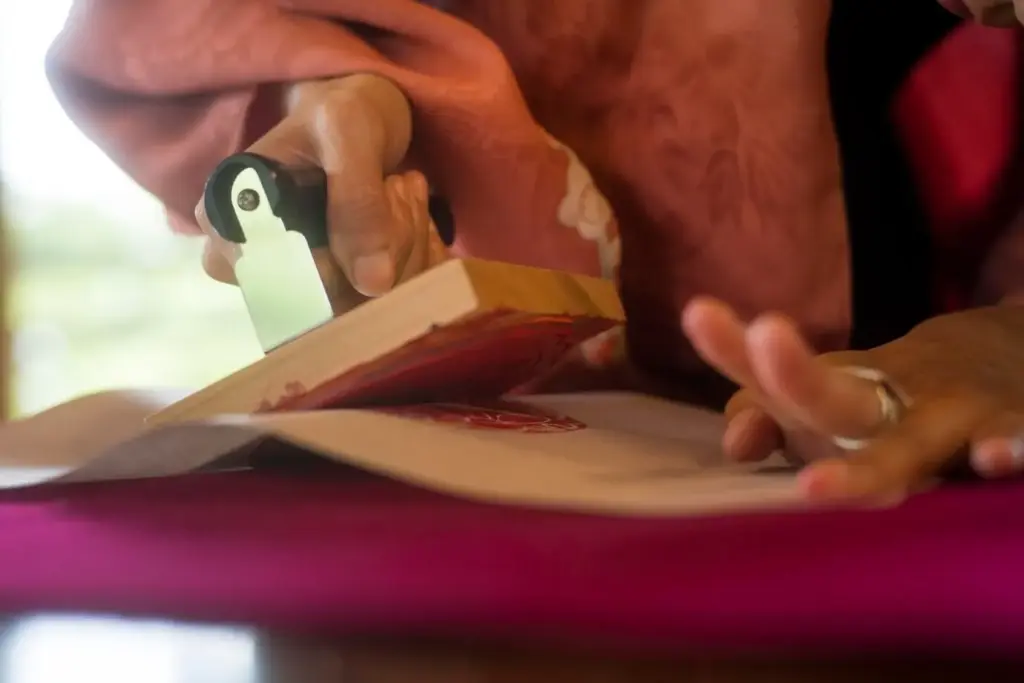
Today we follow provenance trails for antique furniture, tracing how chairs, cabinets, and tables traveled through centuries of ownership, care, and change. From faded labels to probate files and dendrochronology, you will learn practical ways to verify stories, avoid mistakes, and cherish authentic histories. Share your experiences, ask questions, and subscribe to join a community that keeps craftsmanship and memory alive through thoughtful, transparent research.

Reading the Clues in Labels, Stamps, and Handwritten Marks

Small, almost invisible signs often reveal decisive chapters in an object’s journey. Printers’ typography, glue composition, and a cabinetmaker’s spelling quirks can narrow dates and places with astonishing precision. By studying labels, stamps, and inscriptions together, you develop corroborating evidence rather than isolated hints, building a resilient narrative that welcomes scrutiny and preserves nuance.

Paper Trails: Bills of Sale, Wills, and Shipping Manifests

Paper records lend timestamps and context that surface clues cannot supply alone. Sales receipts reveal dealers and prices, wills assign heirs and addresses, and manifests testify to journeys across oceans or rail networks. Read these documents critically, considering motivations, errors, and omissions. Layer multiple papers together to build a robust timeline that resists wishful storytelling and marketing gloss.

Material Truths: Wood, Tools, and Construction

Dendrochronology and species identification

Tree-ring sequences can propose earliest-use dates for boards, clarifying whether claimed periods are plausible. Pair this with microscopic examination of vessels and rays to distinguish oak, walnut, or mahogany lookalikes. Recognize that reused timber and later backboards complicate readings. Science provides parameters, not certainties, yet these boundaries safeguard against romantic claims unsupported by the wood’s measurable memory.

Tool marks, joinery signatures, and hardware timelines

Scraper chatter, plane tracks, and saw kerfs reveal tools and habits. Mortise proportions, dovetail angles, and drawer runners vary by region and era. Hardware—screws, nails, locks, and escutcheons—follows technological arcs visible under magnification. Interpreting these layers together helps detect later alterations, careful marriages of parts, or honest repairs, making construction a living archive accessible to curious eyes and hands.

Conservation reports and restoration footprints

A skilled conservator’s report maps interventions: replaced veneers, reblocked feet, reglued rails, sympathetic inpainting. These footprints, when disclosed, enrich rather than diminish value by clarifying what is original and what is stewarded. Seek lab photos, solvent tests, and treatment logs. Transparency transforms anxiety into knowledge, aligning caretakers, scholars, and buyers around an object’s true, durable character.

Mapping Journeys Across Regions and Generations

Furniture travels with people, economies, and tastes. Mapping movements across villages, capitals, and continents helps explain stylistic blends, workshop collaborations, and unexpected materials. Oral histories, postcards, and studio photographs become coordinates. When carefully plotted beside trade routes, exhibitions, and wars, these points cohere into a map whose lines honor both human resilience and material endurance.

Paperwork too perfect to question

Packets of neatly typed receipts with uniform folds and matching staples should trigger caution. Check watermarks, postal rates, and period abbreviations. Confirm addresses existed at claimed dates. Compare narrative details across documents for subtle contradictions. Authentic archives look messy because life is messy; immaculate files often signal freshly arranged stories seeking validation without enduring real archival complexity.

Artificial aging, composite pieces, and false patina

Chemically darkened finishes, uniform wormholes, and artfully rounded edges mimic time’s touch without its randomness. Study wear patterns where hands realistically linger, as well as protected areas that should remain brighter. Inspect screw slots for modern tooling and mismatched oxidation. Composite pieces can still be beautiful, but accurate labeling protects future research and preserves trust between buyers and caretakers.

Digital sleuthing with archives and image search

Reverse-image tools sometimes surface an identical chest photographed years earlier with different hardware, revealing alterations or mislabeling. Public databases, museum catalogues, and digitized newspapers help verify exhibition claims and dealer advertisements. Save screenshots, capture URLs, and record dates accessed. Responsible digital research complements physical inspection, adding breadth and speed without sacrificing the discipline and humility careful provenance demands.

Practical Toolkit and Community Practices

Reliable provenance grows from repeatable habits and generous collaboration. Create standardized files, label photos clearly, and record negative results alongside hits. Share drafts with peers, invite corrections, and credit every contribution. By cultivating openness and patience, researchers, collectors, and families safeguard memory, improve scholarship, and welcome newcomers into a community that values accuracy, kindness, and curiosity equally.

Building a provenance dossier step by step

Start with a clear object description, measurements, and current condition photographs. Then assemble marks, documents, and scientific findings in chronological order, noting uncertainties explicitly. Keep a research log listing archives visited, search terms, and contact responses. This disciplined dossier becomes a portable laboratory, enabling informed discussions with dealers, museums, and heirs, while inviting constructive feedback that strengthens conclusions.

Questions to ask dealers, auctioneers, and heirs

Invite specifics: when and where acquired, prior owners’ names, and any repairs performed. Request copies of invoices, expert opinions, and old photographs showing the piece in situ. Ask permission to contact previous custodians. Respect privacy while explaining why details matter. Sincere, transparent conversations transform transactions into partnerships dedicated to truth, long-term care, and shared historical understanding.

Zf-airfryer
Privacy Overview

This website uses cookies so that we can provide you with the best user experience possible. Cookie information is stored in your browser and performs functions such as recognising you when you return to our website and helping our team to understand which sections of the website you find most interesting and useful.