
Following the Paper Trail of Period Furniture

Today we dive into archival research techniques for tracing ownership of period furniture, following names, numbers, and documents across centuries. You will learn how to design a search, test hypotheses, and connect makers, households, and markets. Expect practical checklists, real examples, and respectful ethical guidance, plus invitations to share your discoveries, ask questions, and subscribe so our community can help verify leads and celebrate every provenance breakthrough together.

Where to Begin: Framing the Investigation

Build an Archive Map

Sketch an ecosystem of archives: national, regional, municipal, parish, guild, notarial, and corporate. Add museums, libraries, and university collections with manuscript holdings. Note access rules, opening hours, digitization status, and reproduction policies. This map becomes your compass when leads scatter or deadlines tighten.

Refining Names, Dates, and Spelling Variants

Record every historical name spelling, nickname, and abbreviation for owners, cabinetmakers, and streets. Pair them with variant dates and jurisdictions. These variants unlock catalogue searches and OCR quirks, revealing entries others miss. Keep a living glossary that evolves as new documents challenge expectations.

Timelines, Gaps, and Working Hypotheses

Build a timeline linking the object’s characteristics to events like marriages, moves, and sales. Mark gaps boldly, propose explanations, and assign next steps. Hypotheses are provisional promises: they focus attention without forcing conclusions. Revisit them regularly as fresh evidence tightens or redirects the path.

Public Records That Name Objects and Owners
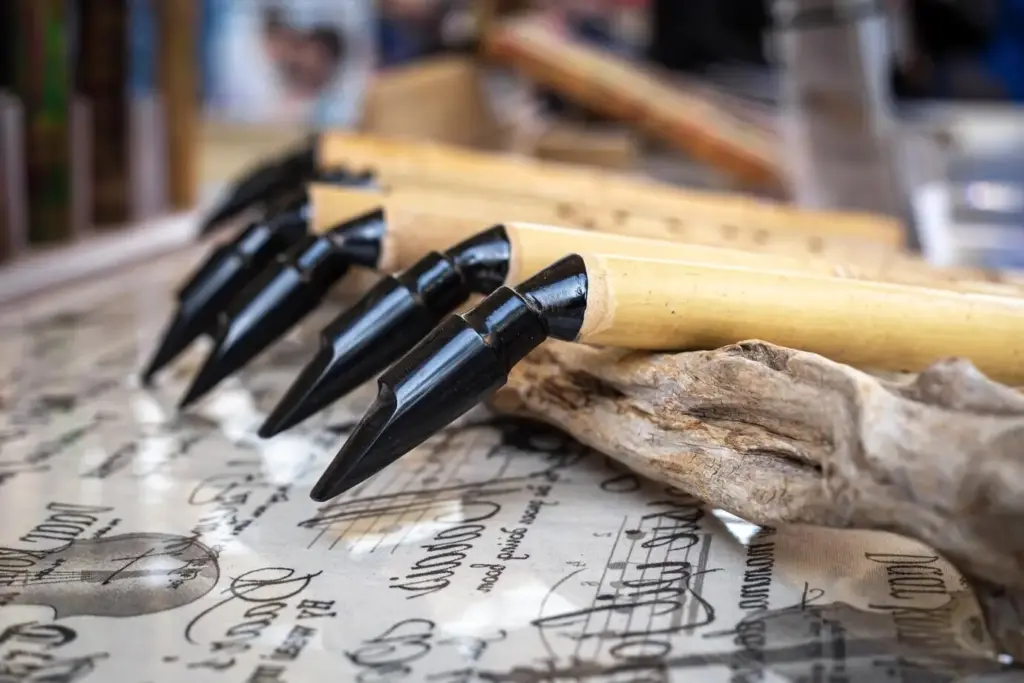
Legal and governmental paperwork often names owners, rooms, and furnishings with startling specificity. Understanding how these records were created and filed helps you anticipate terminology and locate entries efficiently. We will translate archival jargon into actionable steps that save time and yield defensible provenance connections.

Clues Left by Makers and Workshops

Marks, Labels, Numerals, and Shop Symbology

Inspect backs, undersides, and drawer linings for chalk numerals, scribed initials, or paper labels. Photograph in raking light and compare letterforms across known examples. Record adhesives, fonts, and wear patterns. Small consistencies, not grand pronouncements, knit together convincing links to specific workshops and production runs.

Guild Minutes, Apprenticeships, and Trade Directories

Membership rolls, freedom admissions, and insurance policies can place named makers at precise addresses. Cross-reference advertisements, city directories, and rate books to track moves and partnerships. When a stamped label matches an address for only two years, you have a powerful dating and attribution window.

Repairs, Tooling, and Diagnostic Construction Details

Tool signatures—plane tracks, gauge lines, and saw kerfs—often survive inside carcasses and beneath upholstery. Distinguish original practice from later repairs by wood species, fasteners, and oxidation. Correlate dovetail layouts and drawer bottoms with regional habits. These patterns complement documents without overruling contradictory, well-sourced paperwork.

Commercial Footprints Across Markets and Ports

{{SECTION_SUBTITLE}}
Auction Catalogues, Price Lists, and Dealer Ledgers
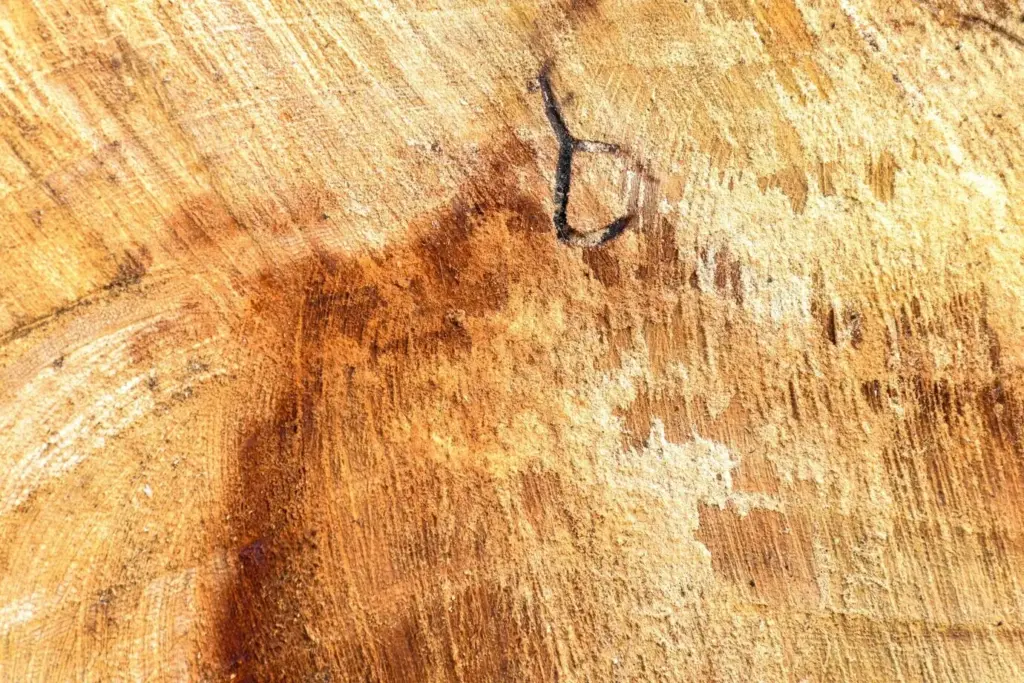
Digitized catalogues can mis-OCR maker names and dimensions; always verify against images or physical copies. Dealer stock books record acquisitions, clients, and restoration notes. When lot numbers recur across dealers or cities, follow them—consignments often toured, leaving dateable breadcrumbs demonstrating earlier ownership and marketing narratives.

Newspapers, Shipping News, and Advertisements
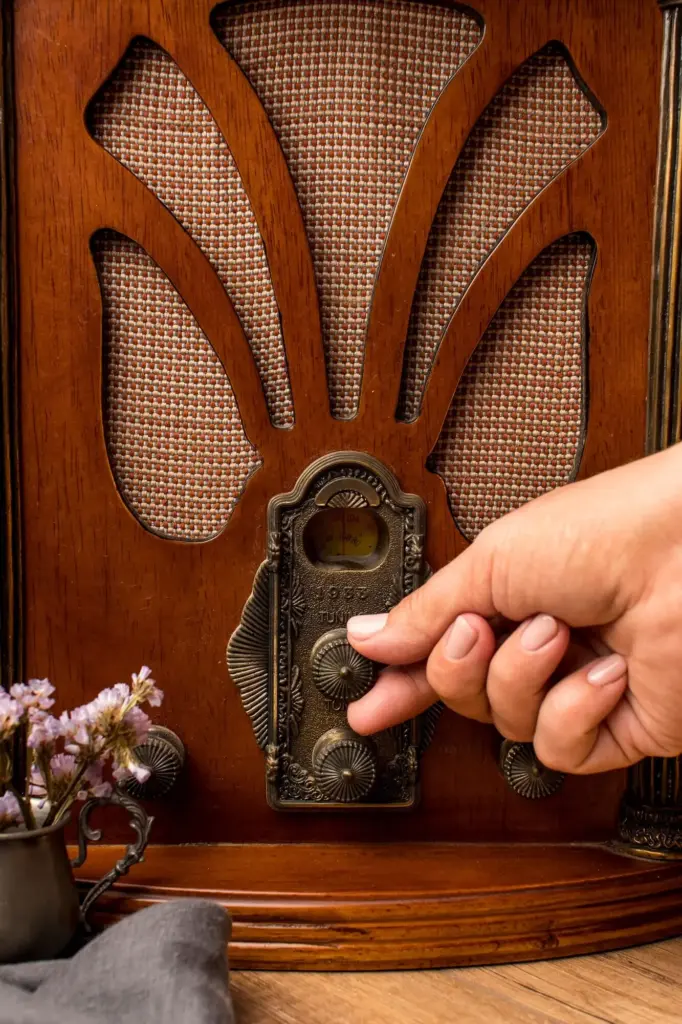
Search society columns, import notices, and estate sales for descriptions aligning with your object’s materials and proportions. Shipping news may list crate marks or consignors. Read beyond your region; furniture traveled with families. Cross-check dates with monograms, inscriptions, and upholstery phases to strengthen narrative coherence and credibility.

Scientific and Interdisciplinary Confirmations
Scientific tests do not replace documents, yet they can corroborate dates, geographies, and alterations. Integrating lab results into historical narratives requires humility and clarity. We emphasize when to test, how to interpret ranges, and ways to communicate uncertainty without weakening your argument’s persuasive core.

Due Diligence, Chain of Custody, and Permissions

Create a research log that records who handled the object, when, and under what agreements. Photograph signatures, stamps, and loan forms. Obtain permissions before publishing sensitive images. These steps protect owners and institutions while strengthening your credibility during sales, loans, conservation treatments, and cross-border movements.

Privacy, Cultural Sensitivity, and Restitution Pathways

Not every discovery belongs online. Consider living descendants, sacred objects, and communities whose histories were disrupted by dispossession. Learn policies governing Holocaust-era and colonial-era claims. When evidence suggests rightful return, consult specialists and share findings transparently, prioritizing fairness, legality, and empathy over speed or publicity-driven outcomes.

Publishing Findings, Peer Review, and Reader Dialogue

Write clearly, cite generously, and invite challenge. Submitting to journals, catalogues, or museum files exposes your reasoning to specialists who strengthen it. Encourage readers to comment with counterexamples or parallel cases. Subscribe for updates, share your breakthroughs, and help others trace ownership responsibly and joyfully.

Zf-airfryer
Privacy Overview

This website uses cookies so that we can provide you with the best user experience possible. Cookie information is stored in your browser and performs functions such as recognising you when you return to our website and helping our team to understand which sections of the website you find most interesting and useful.